A powerful chart has a high signal-to-noise ratio
‘Less is more’. It’s a crucial principle in most of our communication, and in data visualization in particular. Because of my background as a physicist, I prefer to talk about the ‘signal-to-noise ratio’. The message – our signal – should be amplified as much as possible, giving it all of the attention. Everything that can distract from our message – the noise – should be removed.
Noise: the enemy of communication
Maximizing the signal-to-noise is important for every form of communication. A company that applies this principle very well is Apple. In their presentation of the first iPhone, back in 2007, the signal-to-noise ratio is very high.

On the slide is just a picture of the iPhone with a single word: GPS. That’s what this part of the presentation is about: here’s our new phone, and it has GPS!
There’s nothing else on the slide – no slide numbers, dates or logos. Not even the Apple logo! Both the slide and the room have a dark background. Steve Jobs is not behind his desk, because it would be a barrier between him and the audience. He’s wearing neutral clothes, because anything too fancy might distract from the message. Every possible source of noise has been eliminated.
Noise in data visualization
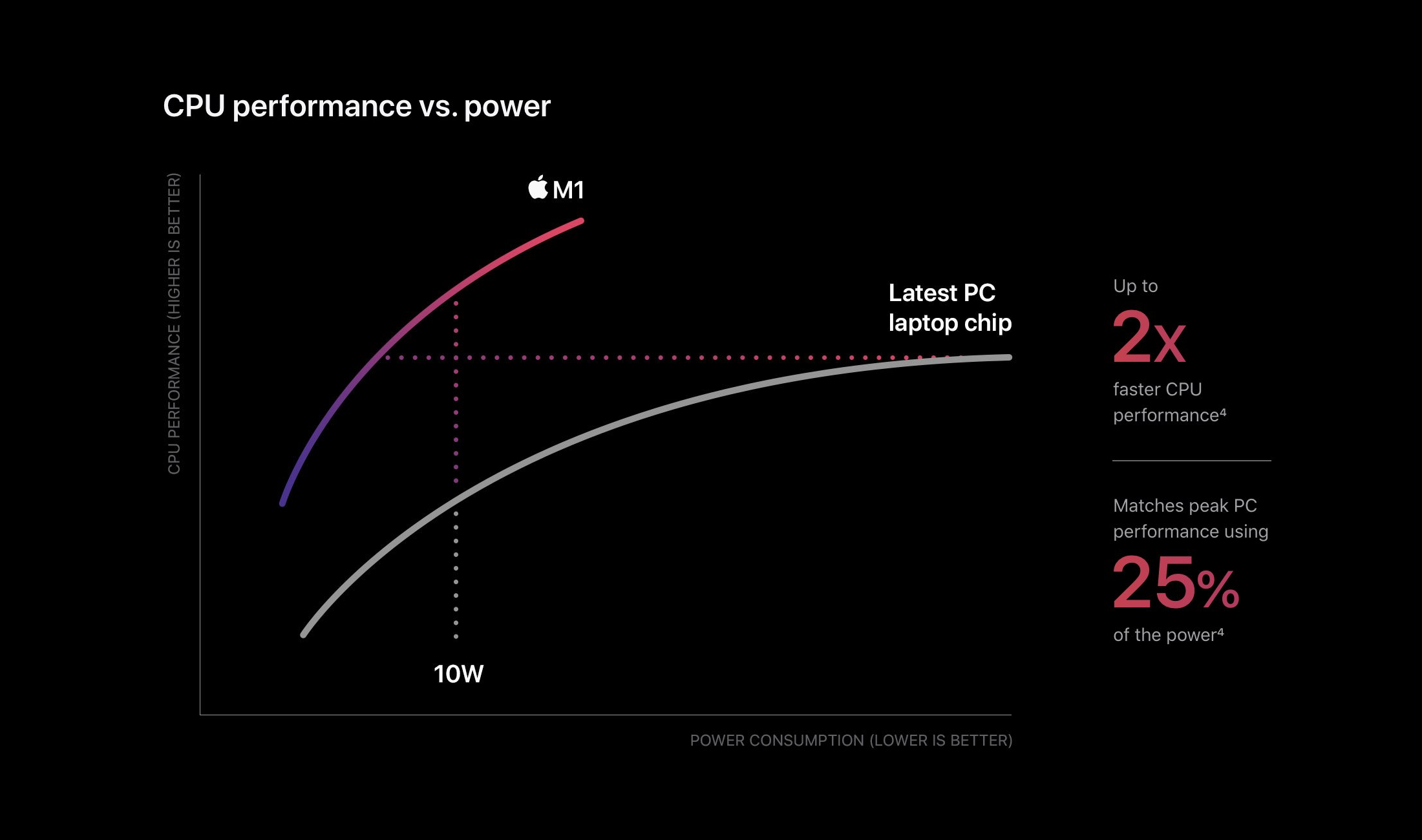
Apple still does this today, and they do it in their data visualization as well. This very clean chart was a part of their 2020 presentation of the M1 chip. Again, it has a noise-free dark background. Everything unnecessary is removed. There are no gridlines or axis ticks. There is not even a legend!
Remove the unnecessary
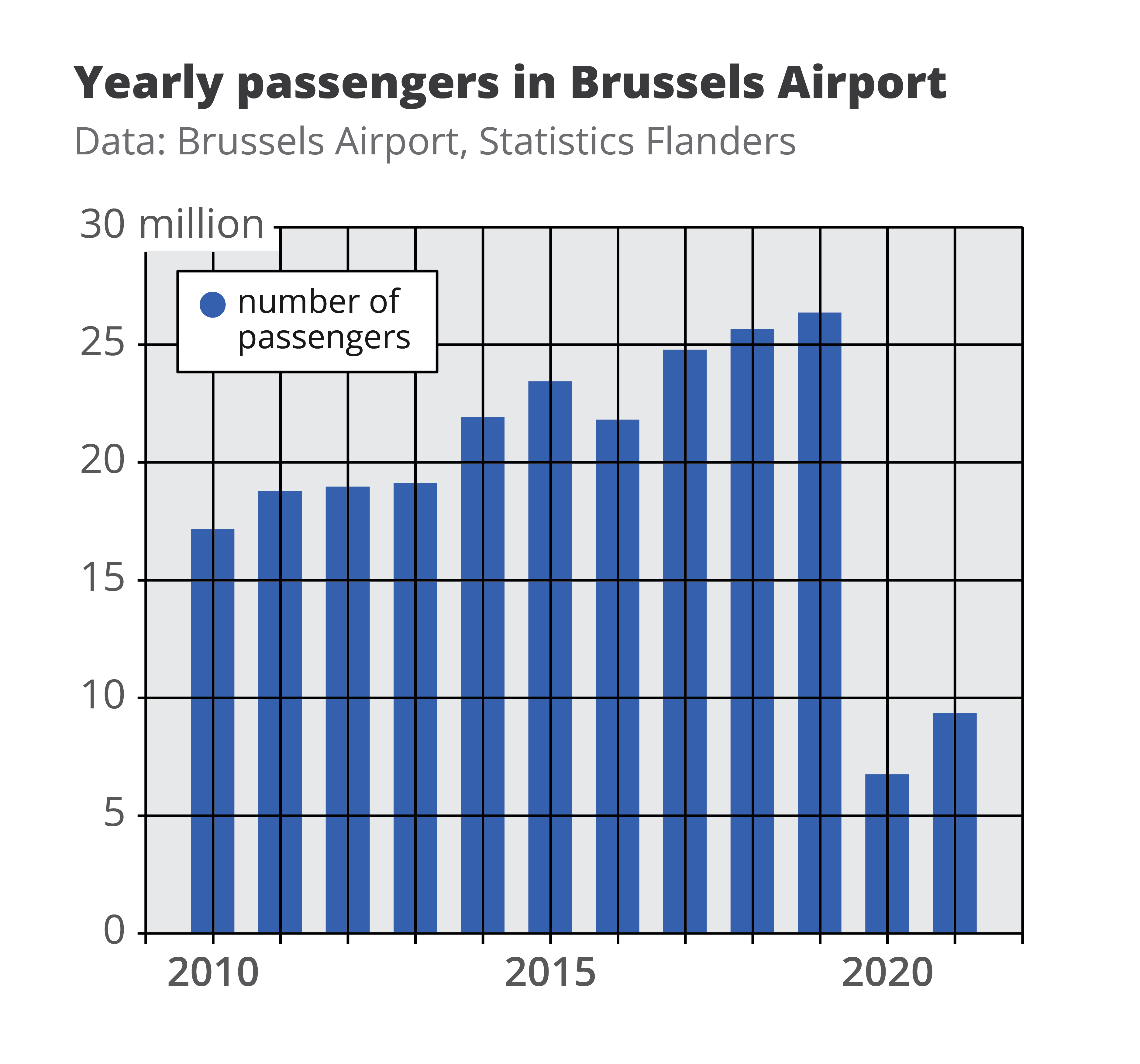
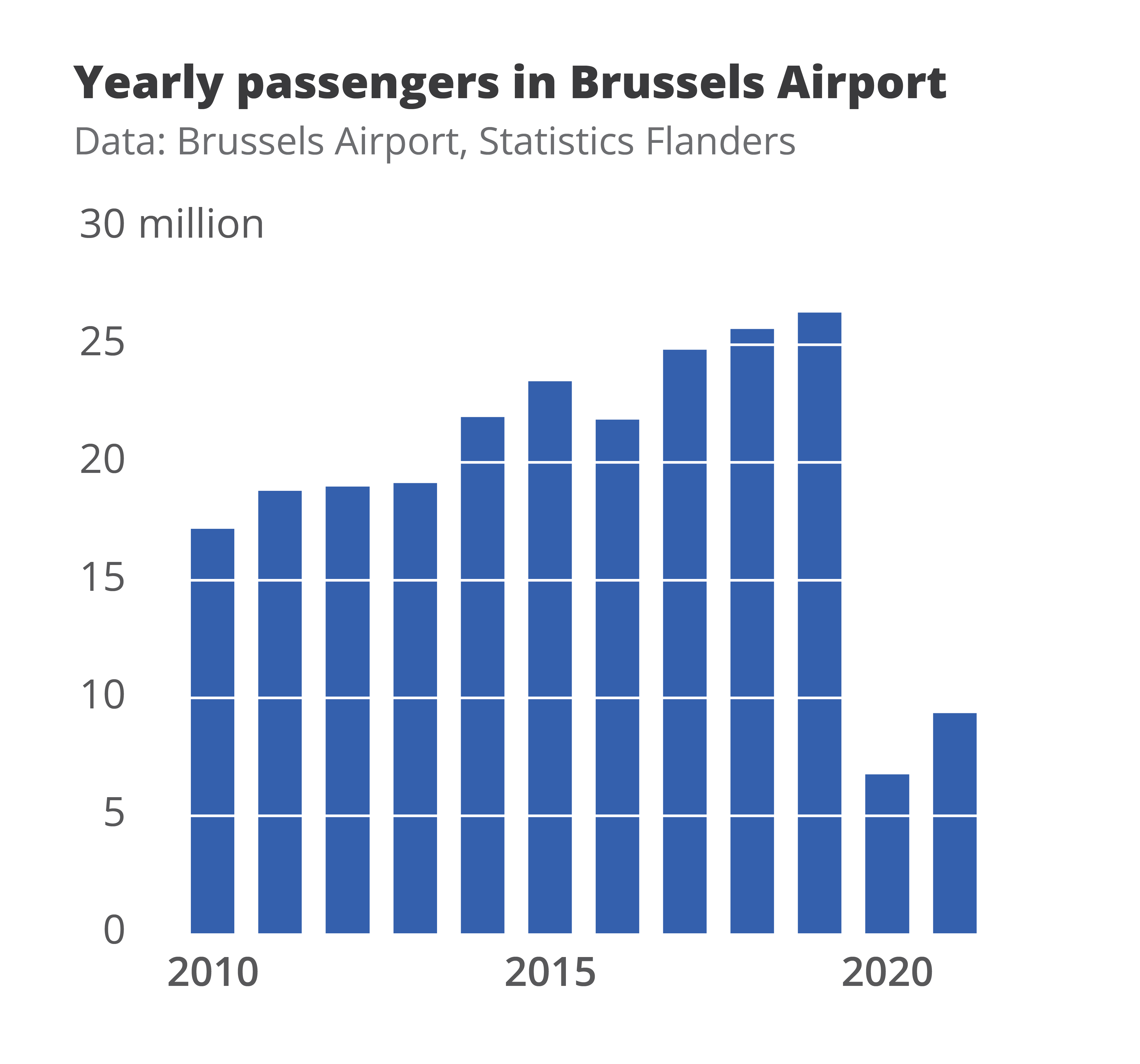
Here’s another practical example of signal-to-noise ratio applied to data visuals. From this chart we can remove the coloured background, the gridlines, the legend, and even the horizontal and vertical axes. Removing these elements doesn’t harm the data or the message of the visual. In fact, it makes the data even more accessible. That means they were just noise! We end up with a much clearer visual, with a much higher signal-to-noise ratio.
If you want to know more about visualizing data in the right way, you can check out the other videos in this series. Or I invite you to read my book, Powerful Charts, that will give you actionable insights and practical guidelines to create data visuals that truly engage and inspire your audience.
Full video series
- 01. Why is data visualization so powerful?
- 02. Why is data visualization so challenging?
- 03. Navigating the landscape of powerful charts
- 04. A powerful chart tells a story
- 05. A powerful chart has a high signal-to-noise ratio
- 06. Making a data visual noise-free
- 07. 7 different goals for your chart
- 08. Three roles of colour in a data visual
- 09. Choosing the right font for your data visual
- 10. Can you use Excel to create a powerful chart? (coming on January 09, 2023)

Read more:

Choosing a colour scheme for your infographic
Choosing the colours for your infographic might not sound like a priority, but a colour scheme can make or break your entire design, no matter how good your structure or your images are.

We are really into visual communication!
Every now and then we send out a newsletter with latest work, handpicked inspirational infographics, must-read blog posts, upcoming dates for workshops and presentations, and links to useful tools and tips. Leave your email address here and we’ll add you to our mailing list of awesome people!